US law firms in London must adapt their business strategy to account for new challenges and opportunities

On the face of it, things are going very well for US law firms in London. Last year, Cravath launched a London-based English law offering, Akin Gump’s London revenue jumped by 25% and Greenberg Traurig took on 15 new lawyers in London.

While London will continue to provide opportunities for US law firms – due to its position as a leading financial centre and its attractiveness for a global client base – acute disruptions are forcing leaders in US law firms to reconsider their international approach. Continue reading “US law firms in London must adapt their business strategy to account for new challenges and opportunities”

Independent transactions specialists

In conversation, we asked Daniel Jacob how Marriott Harrison is helping to bridge this gap working alongside international law firms to achieve their clients’ objectives

What is Marriott Harrison’s position in the market?

Our position as a leading London-based independent specialist for venture, growth equity, M&A, and buyout transactions has been earnt by our role as investor counsel to many of the world’s most recognised VC funds and PE houses, our pragmatic and responsive strategic advice delivered to founders and management teams, and our role as go-to firm for US and European law firms seeking local advice for their clients. Continue reading “Independent transactions specialists”

Market forces: Paul Weiss, Kirkland and the war for London talent

In the contest for the biggest legal story of the moment, the A&O Shearman merger may be more transformational for the firms involved, but it is fair to say it has not quite captured the imagination like Paul Weiss’s dramatic and audacious hiring spree in London.

‘The question is whether a firm can genuinely build an elite PE practice by lifting out the top guys from different shops,’ muses one US firm partner, on Paul Weiss’s bid to crack London. Continue reading “Market forces: Paul Weiss, Kirkland and the war for London talent”

The Guardian GC: Brand Reputation and Success

It is now well established that the original scope of the general counsel a decade ago, resides firmly in our memories. In fact, as change and uncertainty have become the only certainties in our lives, this role has evolved significantly.

This evolution does not come as a surprise, given today’s dynamic corporate landscape. In a world where companies face constant scrutiny and are expected to excel on multiple fronts, prominent concepts like ESG and Corporate Social Responsibility have compelled legal leaders to extend beyond their traditional legal obligations. They are now expected to take the helm in shaping the company’s brand image and actively participate in the decision-making processes of the business, thereby driving organisational growth.

In the intricate ecosystem of modern business, where brand reputation can determine success or failure, the role of the GC emerges as indispensable. They serve as guardians, protecting the intangible yet invaluable asset of brand reputation.

We had the opportunity to discuss this with Riccardo Guarino, the general counsel at IperalSupermercati.

GC: Could you tell us a bit about your career journey and how you arrived at your current role today?

Riccardo Guarino (RG): Of course. I am Neapolitan, born in 1993, and I graduated from the Federico II University in Naples.

During my studies I had the opportunity to do an internship in a leading law firm in Milan, which then offered me a position for legal practice. Afterwards, I worked with several structured law firms deepening several topics such as corporate law, compliance, governance, and M&A.

When I was just 29 years old, I was offered the opportunity to lead the legal department at Iperal. Now, at nearly 31, I am one of the youngest general counsel in Europe, especially considering the scale of the company.

My path has led me to explore a variety of issues, which are a plus for me because, from my point of view, the general counsel is a generalist who must be able to provide internal advice to the business, even without external support.

Talking about myself, I have always taken great care of my network and my free time has always been dedicated to deepening my knowledge and exchanging views with professionals, entrepreneurs, and colleagues. I founded the legal magazine ‘Ius In Itinere’, of which I am the editor. I am also a director of the master’s degree in business law at LUMSA University in Rome. This has been a key component of my career for me and is still crucial today. Continuous exchange and continuous learning are beneficial in any role.

GC: How, would you say, has the role of the general counsel evolved in the past few years? 

RG: In recent years, there has been a shift from poorly structured legal departments that acted as the back office of external firms to in-house legal departments that function exactly like law firms.

Companies have come to realise that establishing an efficient legal department is beneficial not only during the structuring of processes, but also in subsequent stages, covering more than just typical processes such as ‘extraordinary transactions’.

This process reduces and keeps legal expenses under control, while increasing the compliance of companies that have a legal department that operates in continuity of action, always supporting all business functions.

We often talk about the legal department as a business partner, and I absolutely agree. At every decision-making stage, having a legal department that helps you structure the processes and carries out a risk analysis helps management to make informed choices.

Very often external lawyers provide legal opinions without knowing the industry context and this leads to confusion. The corporate lawyer serves as a genuine business partner, thinking like an entrepreneur and collaborating with them to determine the optimal path forward.

GC: How has the role evolved particularly in its relationship with other business functions?  

RG: The relationship with other functions is always crucial to the success of the legal function. The idea that needs to be discarded and that is gradually being broken down, thanks to the training of the new generation of lawyers, is that corporate lawyers are not lawyers. They have legal skills but are managers acting in concert with corporate functions. They are not merely ‘controllers’ but an indispensable support ensuring the smooth functioning of everything. I always say that you should not be authoritarian but authoritative with colleagues.

GC: Can you share examples of successful partnerships or initiatives where the legal function played a key role in driving business growth or innovation? 

RG: Sure. I could talk about the extraordinary transactions that took place in a unique manner that has enabled the company to earn (in this case save) thanks to my previous experience in a law firm. However, the most fulfilling moments come from the small but meaningful things. My industry is very regulated and controlled, and when, after structuring a process, training employees, and verifying with controls that the process was followed, we do not incur in sanctions, it makes it evident what is the real added value of the in-house legal.

GC: Are there any specific metrics or indicators you use to assess the contribution of the legal function to business outcomes?

RG: It is not easy to evaluate the performance of a legal function with unambiguous indices. The only important index is the trust that business functions place in you daily. If they call you, if they talk to you, if they feel supported, it means that the function is working.

GC: Can you provide examples of how legal considerations intersect with brand reputation management in your day-to-day responsibilities?

RG: The reputation of the company is as important as the business itself. One must always work in concert with the functions to structure each process in a compliant manner, always trying to work ethically. Compliance represents the ethics of the company, but it must always be supported by the management to be able to operate and shelter the company from reputational damage.

National and EU legislators are increasingly focusing on and enacting ‘ethical’ regulations, marking a significant cultural shift. Think of sustainability or consumer protection legislation. Companies must always be careful and try to balance business and ethics and are increasingly evaluated by the market and their customers for their impact and attention to common issues.

The companies that will survive this epochal change will be those that know how to evolve and adapt their business in an ethical manner, and in this situation the legal manager must be a change-maker.

GC: In the event of a crisis or reputational threat, what is the general counsel’s role in managing legal aspects and protecting the company’s brand reputation?

RG: Crisis management (of all kinds) is the most delicate part of the in-house lawyer’s role, but also the most exciting. Analysis, risk understanding and strategy, in concert with the functions concerned, is the best way out of a crisis. Good managers are ready and know that the worst can happen, and they need to be prepared for such moments.

It is always essential not to panic and to work together with the business functions. Every issue has a solution — it is simply a matter of finding it!

Riccardo Guarino, General counsel, IperalSupermercati
Sara Maggi, editorial – GC Powerlist

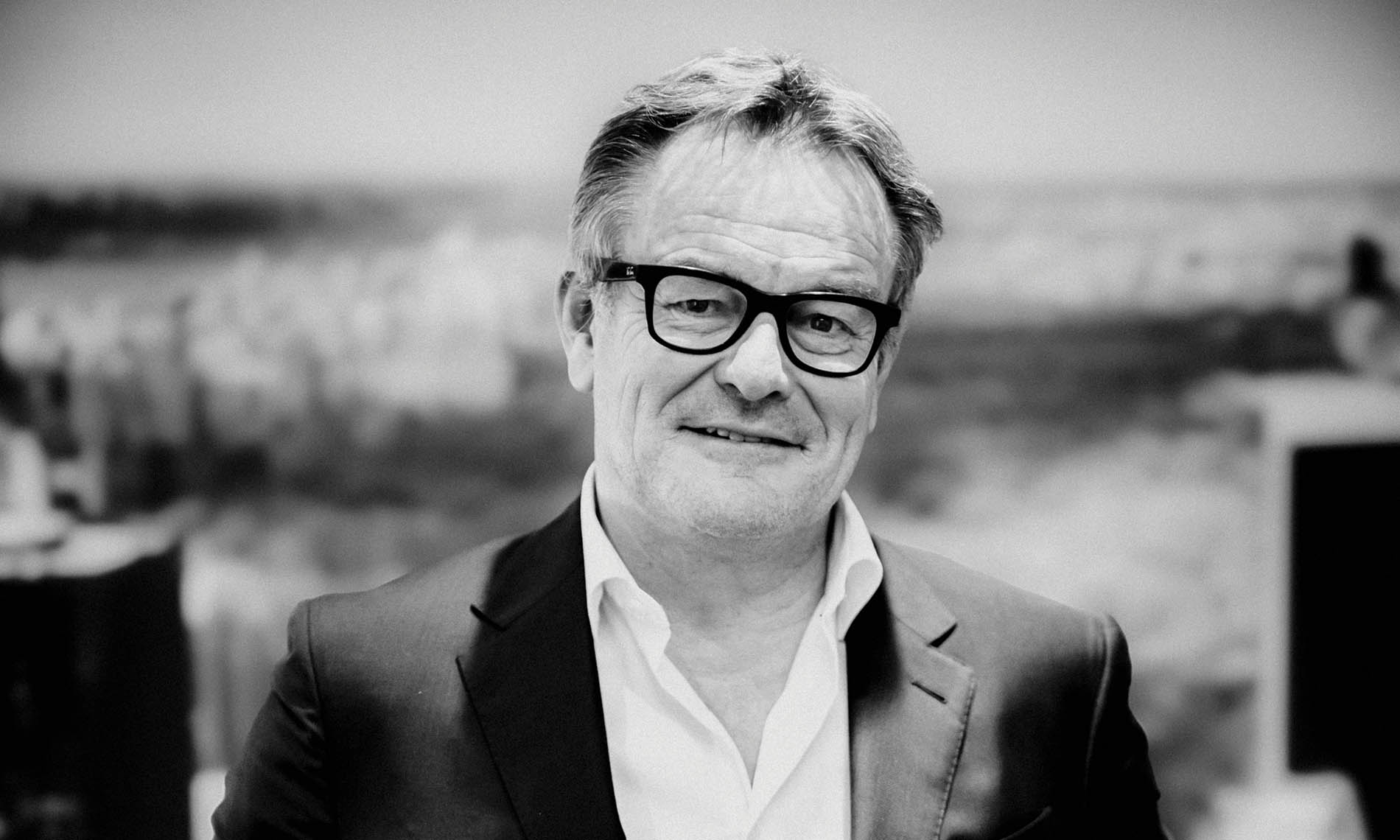
A&O’s Wim Dejonghe on mergers, money and his plans for life after law

Wim Dejonghe

I wanted to go into sports. I was a sailing instructor, close to professional. But then I had knee issues, so I needed to change my plans last minute. I still do a lot of exercise, but I hate the gym. That’s how I relax, reflect, enjoy myself, and get energy. I do a lot of sport with my sons, who are all into sailing, biking, jogging, and skiing. I can still keep up with them on the bike, but in skiing I have no chance!

I never planned to be a lawyer. When I started my law course I focused on international public law – the United Nations, NATO and international treaties. I wanted to be a diplomat but there are two issues with being a diplomat in Belgium: one is that you need political connections, and the other is that you’re not so relevant in the international diplomatic community. I worked as an assistant professor at a university but found it a bit too quiet. So, I decided to do a trainee internship as a lawyer, and never stopped. At the time I went into law, we were still obliged to do military service. I did six months in a law firm while I was waiting to get called up, then I went back to the firm after my time in the army, and technically I haven’t changed firms since. It wasn’t by design – it was more the elimination of other options.

Continue reading “A&O’s Wim Dejonghe on mergers, money and his plans for life after law”

Outsourcing your firm’s first impression

Established in 2000, Moneypenny is the world’s market leader for telephone answering, live chat, outsourced switchboard and customer contact solutions. Moneypenny handles more than 2 million legal calls and chats each year for hundreds of legal firms in the UK, including 80 of the Top 200, thanks to its dedicated team of legal receptionists.

Communication is key for law firms and in a busy marketplace, first impressions are crucial. The way inbound enquiries are answered gives clues as to a firm’s values, priorities and approach to service. Whether it’s dealing with existing clients, handling new business enquiries or speaking with other professional service providers, the human, friendly touch is vital. Continue reading “Outsourcing your firm’s first impression”

Disputes Yearbook: Foreword – Stewarts: Groundhog Day?

A quick scan of the inevitable January opinion pieces predicting trends in the litigation market for the year ahead gives a fairly consistent view of topics we are likely to see. Against a backdrop of continued economic and geopolitical instability, ongoing inflation, high interest rates and supply chain disruption, commentators foresee an increase in insolvency-related litigation and disputes resulting from pressure on commercial contracts. The same factors are likely to increase loan defaults and distressed debt claims. In addition, frauds inevitably emerge in the wake of failing businesses.

Continue reading “Disputes Yearbook: Foreword – Stewarts: Groundhog Day?”

Bifurcation – More risk than reward?

Gernandt & Danielsson look at the recent trend of bifurcation in Swedish litigation and arbitration

Like most other legal practices, arbitration and litigation are sensitive to trends. Arbitration even more so, due to its flexibility and dispositive nature compared to the many times rigid and robust procedural codes that – for better or for worse – tend to bar more creative approaches from the courts or counsel. Continue reading “Bifurcation – More risk than reward?”

Q&A: Mayora & Mayora

Mayora & Mayora on Honduras’ legal market and its current trends

What are the key legal frameworks and regulations governing dispute resolution in Honduras?

At the heart of the Honduran legal framework lies our Constitution. This foundational document defines the boundaries within which disputes are adjudicated and resolved.

Complementing this bedrock are other legislative pillars such as the Civil, Civil Procedure, and Commercial Codes. A thorough understanding of these instruments, allows us to navigate through the litigation pathway, ensuring that our clients’ interests are safeguarded with utmost diligence.

Other rules related to business are the provisions in the Labour and Tax Codes, meticulously crafted to address the nuances of employment and tax disputes, respectively.

But our legal tools extend beyond mere litigation. The Arbitration Act provides a robust framework, granting the parties expediency in resolving complex commercial disputes, as well as providing the possibility for professional associations and chambers of commerce to organise their own arbitration centres.

Also, Honduras’ commitment to international law adds another layer of complexity to our practice, should we navigate the web of treaties to which Honduras is a signatory.

Can you provide an overview of the current landscape of the disputes legal market in Honduras, including major law firms and key players?

The legal disputes landscape in Honduras has evolved mirroring the country’s economic growth. Litigators have accumulated expertise in oral judicial and arbitration proceedings since the beginning of this century.

Among others, Arias and its distinguished specialist Fanny Rodríguez, stand out for their effective handling of complex commercial disputes. Juan José Alcerro Milla and Enrique Rodríguez Burchard, from Aguilar Castillo Love, have proven to be experts in the area, garnering legitimate recognition. Consortium’s Gustavo León-Gómez, Rafael Rivera Ferrari and Ulises Mejía have positioned themselves as a prestigious team also.

In parallel, boutique law firms, such as those under the leadership of Leonidas Rosa Suazo, Carlos Fortín, Aldo Cocenza, Fabian Villeda and Eugenia Taixes, deserve acknowledgement.

The gradual development of these firms has contributed to spread the culture of arbitration, instilling confidence in the business community.

Some individual practitioners who cater to diverse types of clients and matters before the courts include Maribel Espinoza, Félix Irías Rodezno, Marcio Barahona, and Max Salgado.

Emphasising specialisation, strategic argumentation, and adaptability, these firms and sole practitioners collectively sculpt the Honduran litigation atmosphere.

How is alternative dispute resolution (ADR), such as arbitration and mediation, commonly utilised in Honduras? Are there any recent trends or developments in this area?
Arbitration and mediation in Honduras have emerged as the preferred means for resolving local or international commercial disputes. Consistent with the principles developed by UNCITRAL, arbitration is particularly conspicuous for business transactions.

The joint efforts of the Chamber of Commerce and Industry of Tegucigalpa (capital city) and that of Cortés (industrial capital city), have significantly promoted arbitration. Proceedings are supervised by each of their arbitration centres (Cortés has recently updated its rules). It is very important to note that the voidance of an arbitral award in Honduras can be submitted to a new arbitral tribunal.

What are the primary types of disputes that businesses and individuals typically encounter in Honduras, and how are these disputes usually addressed through the legal system?
The most common disputes encountered include energy, construction, health, tourism industries, and international trade. All these require sophisticated analysis, prompting tailored counselling to address the unique challenges faced by clients.

The practice of dispute resolution is proportionate to the complexity and economic importance of investments. Compliance, antitrust, insurance, labour and tax matters are usual as well. The crisis on the international transportation of people, cargo, goods, and merchandise, has naturally increased civil and commercial conflicts.

Lastly, as regards to the distribution of imported products, they often lead to disputes over grounds for termination, alongside damages compensation.

What role does technology play in the disputes legal market in Honduras? Are there any advancements or innovations that are shaping the way disputes are handled?
In Honduras, technology plays an insignificant role in litigation, despite gradual improvements following the pandemic.

Collective willingness to embrace technological advances in dispute resolution and adapt traditional practices to meet the imperatives of the digital age, certainly represents an opportunity to increase justice efficiency and accessibility.

How does the legal market in Honduras handle cross-border disputes, and what mechanisms or agreements are in place to facilitate international dispute resolution?
Cross-border litigation in Honduras is managed under several international instruments to which Honduras is a signatory, such as the New York and the Singapore Conventions, in addition to applicable domestic law.

The Arbitration Act of Honduras clearly gives the parties to a cross-border transaction the freedom to submit to international commercial arbitration and to the substantive law of the parties’ choice (not contrary to public order).

Are there specific industry sectors in Honduras that are more prone to disputes, and what unique legal considerations should businesses in those sectors be aware of?

On the side of investment arbitration, as noted above, the energy sector has seen the most cases recently. Regarding commercial arbitration, in our experience, we have noticed a relevant number of disputes related to the construction industry too. Conflicts resulting from private property limits are also constant.

Increase in judicial backlog due to Covid-19 lockdown, discourages its use, thereby evading the search for truth and justice through court or arbitration.

The combination of the above is deemed serious since it may lead to the continuous and unmarked violation of the law or the unfair resolution of disputes, should businesses lean on pacta sunt servanda as the saviour principle of all legal relationships within Honduras.

In light of recent global events or changes in the political and economic landscape, what impact, if any, has there been on the disputes legal market in Honduras?

Globalisation allows that, despite certain weaknesses on the institutional and business environments in Honduras, the country is still the recipient of local and foreign investments.

The biggest investors in Honduras still come from the US and Spain, as well as a few other European and Latin-American countries. Perhaps, Chinese investments are on the horizon, after the recent start of diplomatic bilateral relationships.

Honduras’ legal uncertainty has prompted political turmoil, and the business community is very concerned with this situation.

In the end, litigation demands a confluence of expertise, experience, dedication, and finesse, we must persistently push back and hold the line as lawyers, for the sanctity of justice and the rule of law in Honduras.

For more information contact


Odín Guillén Leiva
Partner, Honduras
E: [email protected]


Iván Flores Hercules
Senior associate, Honduras
E: [email protected]


Pedro Canales
Junior associate, Honduras
E: [email protected]

Return to Disputes Yearbook 2024 contents.

South Korea’s take on international mediation: The next steps going forward

Yulchon LLC’s insight on the Korean Commercial Arbitration Board’s international mediation rules

Among its many endeavours in arduously promoting its many capabilities and qualifications in becoming the next hub for international dispute resolution in North-East Asia, as of 1 January 2024, the Korean Commercial Arbitration Board (KCAB) enacted and enforced its own International Mediation Rules (KCAB Rules or the Rules) with the help of Yulchon’s international dispute resolution team members, namely Mr. Yun Jae Baek, Ms. Hyunah Park and Ms. Seyoung Choe. Continue reading “South Korea’s take on international mediation: The next steps going forward”

Navigating dispute resolution: Exploring expert determination mechanisms – Polish perspective

Sołtysiński Kawecki & Szlęzak on the increasing importance of dispute adjudication boards

In recent years, court proceedings in Poland have been taking increasingly longer. The natural answer to this is arbitration, but unfortunately, in business reality even arbitration turns out to be too long for the parties. Probably for this reason we observe seeking for dispute avoidance by incorporating different kinds of dispute-resolving mechanisms into contracts. Does it have a chance of working? Continue reading “Navigating dispute resolution: Exploring expert determination mechanisms – Polish perspective”

Riddle of applicable application fee in enforcing foreign judgments

Gün + Partners on the need to clarify the issue of application fees

Under Turkish law, the rules governing the collection of trial fees are regulated by the Law of Fees No. 492 (Law no. 492) and the applicable fees are under Tariff 1 of the Law no. 492. Article 4 of Law no. 492 also explicitly refers to Tariff 1 in terms of the fees applicable in the actions for enforcement of foreign judgments stating that the applicable fee will be determined according to the value, type and nature of the verdict. Continue reading “Riddle of applicable application fee in enforcing foreign judgments”