‘I am Sparta!’ ‘No, we are Sparta!’

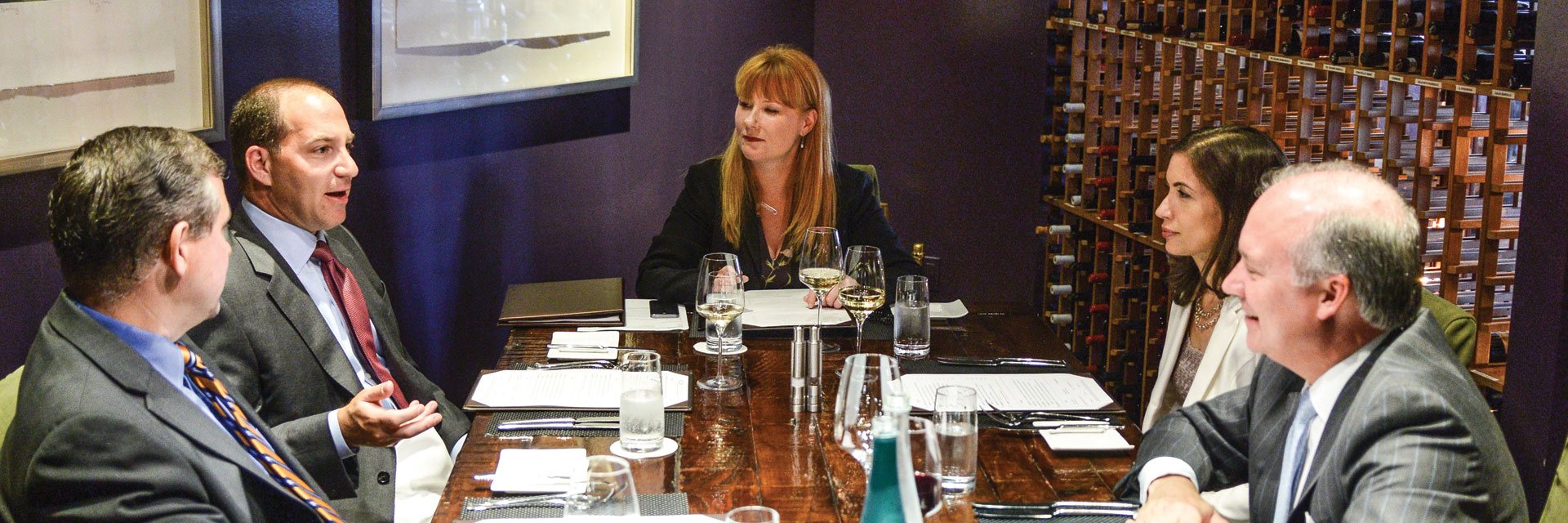
Working at Hewlett Packard Enterprise (HPE) wouldn’t suit every lawyer. If you yearn for walls spotted by Damien Hirst, encrusted with crackly oils of senior partners from days of yore or plastered with impassioned corporate values, you’d be disappointed. Desks groaning with gonks, or festooned with file boxes or framed pictures of you losing your lunch on the Corkscrew? Colour, of any kind? Ha, you wish. The overall effect is a little, er, Spartan.

Continue reading “‘I am Sparta!’ ‘No, we are Sparta!’”

The conflict between a corporation’s global standards and national law

A fundamental principle for multi-national companies is compliance with the law of all nations where they do business. But a recurrent dilemma is what to do when a corporation’s global ethical standards (‘oppose censorship’ for a global media company) collides with national law (China’s extensive state censorship). As companies globalize and nations regulate ever more, this vexatious problem is not esoteric, but recurring. Most companies make voluntary decisions to adopt ethical standards beyond what formal legal and financial rules mandate. A decision that a company’s global ethical standards conflict with national law raises a range of options: obey the law; be civilly disobedient (a very uncomfortable, often untenable, position for global companies dedicated to rule of law); try to change the law; or stop doing business in that nation. Continue reading “The conflict between a corporation’s global standards and national law”

Ireland: Will there be greener grass for booming Dublin in the post-Brexit world?

Tiger draped in EU flag

As a nation well versed in referenda, Ireland is in tune with the times. Since 1937 and the creation of Bunreacht na hÉireann as the fundamental law of Ireland, there have been 35 referenda on everything from a change in the country’s single transferable vote system to the controversial right to life of the unborn.

Ireland has had its own problems with votes on the European Union (EU), throwing Europe into chaos when the country held a referendum on the Lisbon Treaty in 2008 and it was rejected by 53% of voters. A vote was held again in 2009, and the Irish had a change of heart – the treaty was then backed by 67% of the population. Continue reading “Ireland: Will there be greener grass for booming Dublin in the post-Brexit world?”

The new order – the first response for GCs to the post-Brexit environment

A post-Brexit landscape poses many legal hurdles for corporates operating within the UK. Legal Business asks senior in-house counsel how they plan to navigate the uncertainty

Having seen Legal & General’s shares initially tumble on the Friday morning immediately after the UK’s vote to leave the EU – like so many financial services businesses – general counsel (GC) Geoffrey Timms is concerned that the business impact of Brexit could become a self-fulfilling prophecy. ‘Markets are emotional rather than factual. We can talk ourselves into trouble. There’s this end-of-the-world view online. Britain is still in a good place. Yes, the government has to fight uncertainty, but so does Europe. One hopes common sense will prevail.’

Continue reading “The new order – the first response for GCs to the post-Brexit environment”

Reassuringly expensive: Freshfields and Linklaters take biggest gulp from $260m legal fees on AB InBev deal

City lawyers have taken a handsome share of the $1.94bn in advisory fees generated by Anheuser-Busch InBev’s (AB InBev) $108bn takeover of SABMiller, with law firms receiving $261m in fees from the biggest deal in British corporate history.

Continue reading “Reassuringly expensive: Freshfields and Linklaters take biggest gulp from $260m legal fees on AB InBev deal”