Life During Law: Segun Osuntokun

Segun Osuntokun

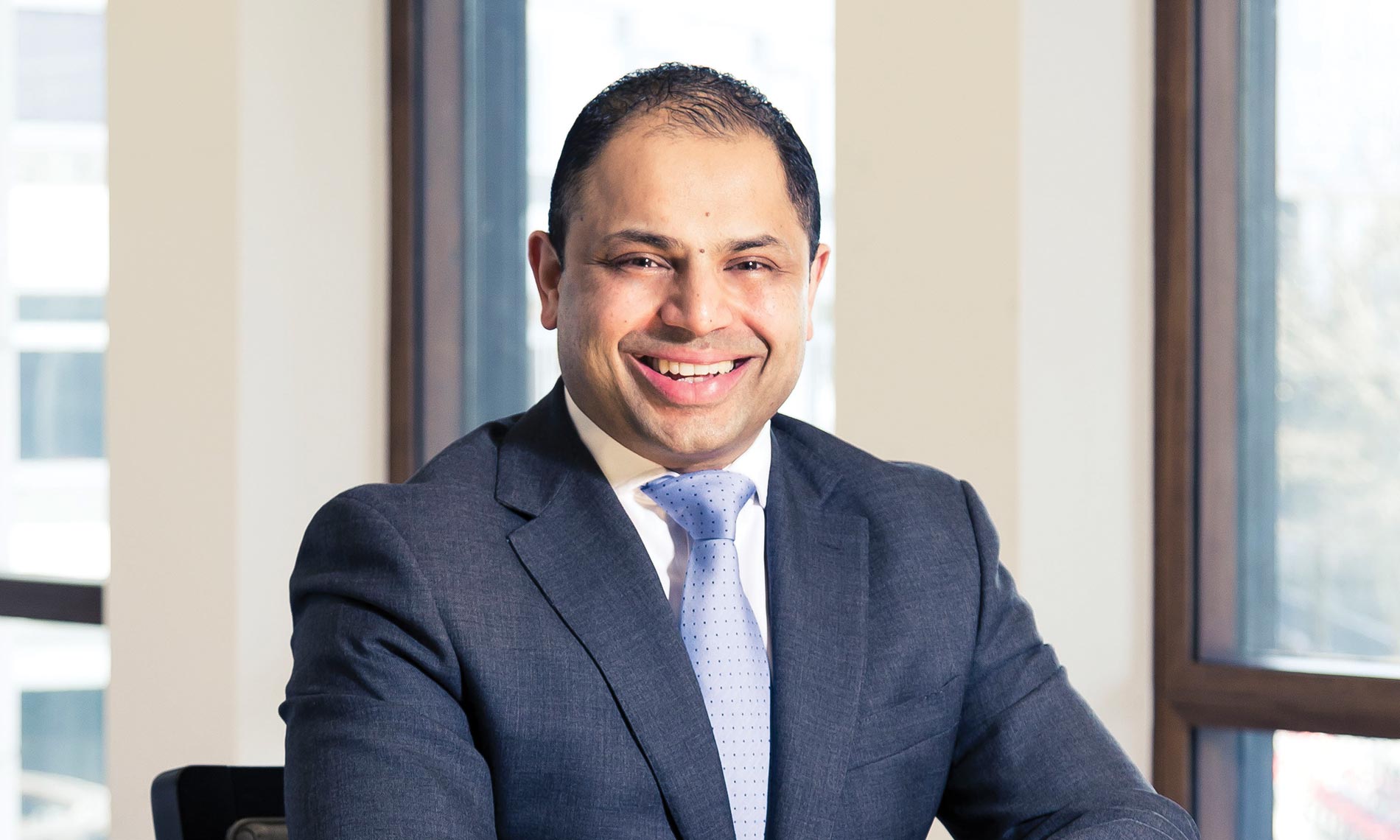
I was born in Nigeria as one of five children. My parents were medical doctors. My father was one of Nigeria’s pre-eminent neurologists, and quickly became globally renowned. A typical aspirational father, he built himself up through effort and excellence and thought all his children should be equally excellent. By the age of 15 I was sent to a boarding school in England to do my A levels. After that I did an economics degree at Queen Mary London.

I went back to Nigeria and did national service. Not as exciting as it sounds, more community service than military service. Did that for a year and part of it was working in a bank. It was not for me. Continue reading “Life During Law: Segun Osuntokun”

Sponsored briefing: Taking the plunge

Julian Stait

The office has made a series of bold lateral hires in the last three years. What is behind this?

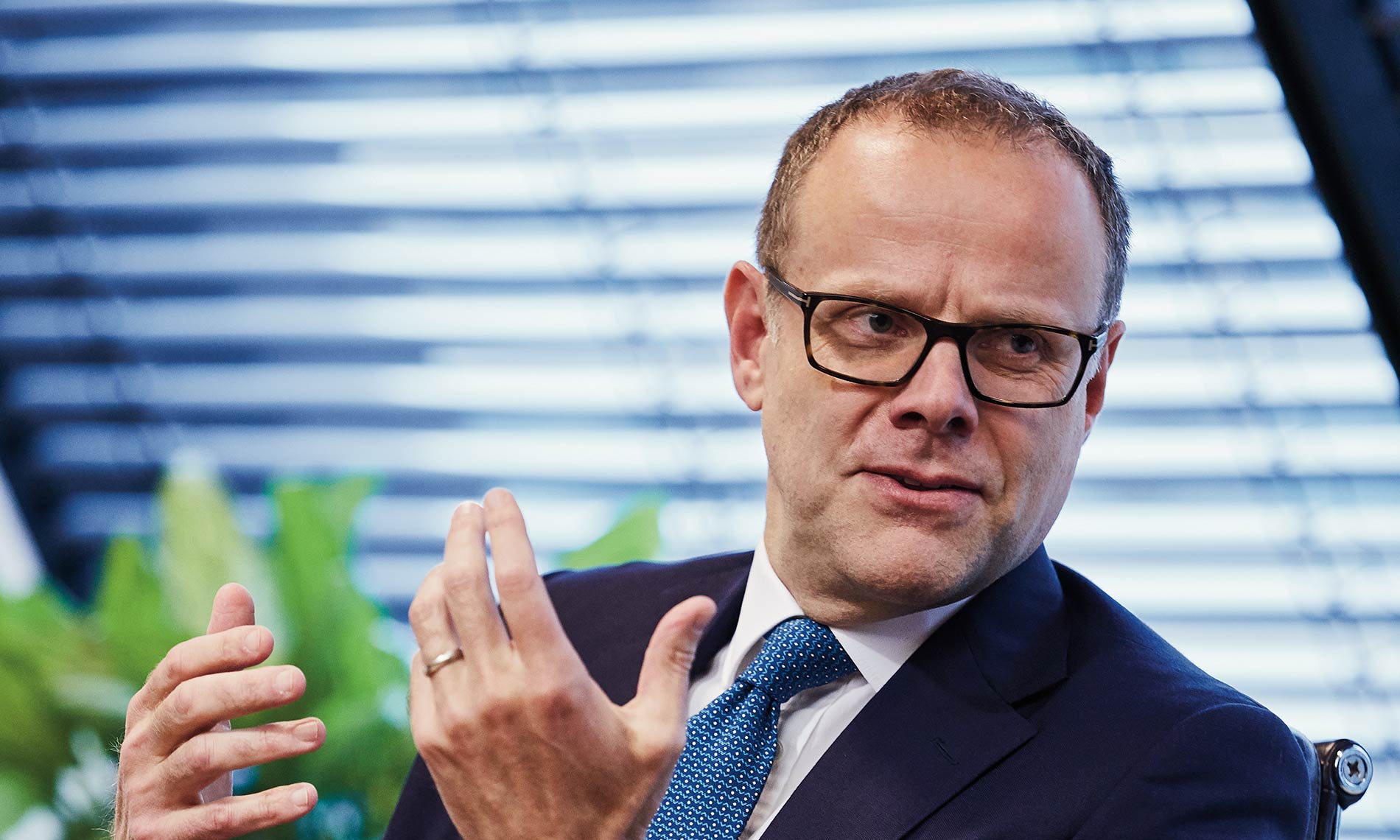
Suhrud Mehta (SM), co-London managing partner, Milbank: At one level you could say it has been bold and at another level you could say it just made perfect sense for us to make these moves in areas in which the firm has historically been strong. Until the right people came along, we were not prepared to take the plunge. Taking capital markets first, the focus there was to combine the strong reputation we have in leveraged finance with an equally strong capital markets practice that existed at Shearman & Sterling under Apostolos Gkoutzinis. To take a big slug of that and bolt it on to our existing leveraged finance business here was a very powerful thing to do. The combination has been electric. Continue reading “Sponsored briefing: Taking the plunge”

From start-up to established: du-ing it the right way

Anneliese Reinhold

Of the two telecoms operators in the United Arab Emirates (UAE), du – officially Emirates Integrated Telecommunications Company – is the youngest. A publicly listed company, du has a market capitalisation of $7.5bn, revenues of $3.4bn, over 2,000 employees and a customer base of nine million. In addition to the usual telecoms fare – both B2B and B2C communications services and broadcasting – it also offers a suite of peripheral services and technologies that encompass blockchain, artificial intelligence (AI) and the broad array of digital services required to meet the UAE’s smart city ambitions.

Anneliese Reinhold is general counsel and senior vice president of legal and regulatory affairs at du and, having been with the company since the beginning, has seen it grow into the emerging giant of today. Continue reading “From start-up to established: du-ing it the right way”

GC to C-suite – How one veteran lawyer crossed the floor

Amol Prabhu

For many lawyers, much of the draw to move in-house is the opportunity to play a more direct role in the business. It is also the chance to develop their commercial acumen beyond the level that private practice allows. The skillset this is cultivating within the in-house team is undoubtedly making the general counsel (GC) a better adviser and has the happy side effect of preparing lawyers for senior business roles.

Barclays’ Amol Prabhu is a prominent recent example of a senior lawyer making the transition, but one that still happens all too rarely in the UK. Belonging to an exclusive but slowly growing band of business people who transitioned from in-house counsel to the C-suite, Prabhu has spent 15 years at Barclays, working in Dubai, Hong Kong, London and now Johannesburg. He was most recently the head of emerging markets legal for EMEA, before accepting the role of Barclays co-head for Africa and chief representative officer: South Africa. Continue reading “GC to C-suite – How one veteran lawyer crossed the floor”

Sponsored briefing: Legal tech – Too much of a good thing?

Law Tech: GC readers manual

Artwork and imagery used by kind permission of Haynes Publishing Group, a leading supplier of content, data and innovative workflow solutions for the automotive industry and motorists. For more, see www.haynes.com


Neota Logic

Nearly $1bn was invested in legal technology and New Law disruptors in 2018. That was across more than 50 funding rounds and included start-ups through to more established players, according to research from Investec. Venture capital, private equity, non-legal companies and trade buyers are increasingly interested in what they see as a highly-lucrative legal sector.

The frequency and scope of legal tech funding has also jumped markedly: a Thomson Reuters report in mid-2017 put investment into UK legal tech start-ups at just £16m in the previous 18 months. Hundreds of legal tech companies have subsequently popped up. Every law firm is quick to tout its latest innovation or partnership with a technology provider, while some even have incubators where they work with start-ups over several months, honing products. Continue reading “Sponsored briefing: Legal tech – Too much of a good thing?”

The Scots GC debate: Force multipliers

panel discussion

Hamish McNicol, Legal Business: How do you build your identity and culture as a legal team? And how do you then communicate your teams’ qualities to the wider business?

Findlay Anderson, Baker Hughes Oilfield Equipment: The culture of the legal team comes from two different sources. One is the general counsel setting the rhythm for how they want their team to operate with the business. A lot of that comes down to the personality of the GC. The other factor is how the business sees its legal team: are they a hired function that sits in a corner and you call on them when you need them, or do you put them right in the middle of the decision-making of the company? Continue reading “The Scots GC debate: Force multipliers”

Full disclosure – How to resolve the profession’s #MeToo problem

line-up

‘If you’re a partner and in control of someone’s career, that is an unequal relationship. Repeated drunken flings are not the work of a balanced, responsible partner. Could she have realistically said no? He was in control of her. He was her boss.’

So says one City employment veteran of the Solicitors Regulation Authority (SRA) prosecution and subsequent departure in October of Freshfields Bruckhaus Deringer restructuring partner Ryan Beckwith, following findings of sexual misconduct with a junior member of staff. It reveals uncomfortable truths about why, with its esoteric partnership structure and pressure-cooker working conditions, the legal industry is more susceptible than many to the fallout from #MeToo allegations and the behaviour that fuels them. Continue reading “Full disclosure – How to resolve the profession’s #MeToo problem”

Regime change – The scorched-earth approach to legal education reform

napalm in the classroom

Its supporters are accused of advocating reforms not fit for purpose, posing a threat to the standing of the profession; its detractors are derided as ‘dinosaurs’, apologists for inequality and ‘buggers’ who moan about everything.

Four years since the Solicitors Regulation Authority (SRA) announced plans to shake up legal education in England and Wales with the introduction of a new Solicitors Qualifying Examination (SQE), the debate is as passionate as on day one. And as deeply entrenched. Continue reading “Regime change – The scorched-earth approach to legal education reform”

2020 forecast: City giants forced to offer flexible partnership

Alex Novarese

I’m going to resist the urge to bang on about the year in review, Brexit or even offer a 2010s retrospective. Not much changed in the profession during the decade – apart from the much-documented onslaught of US law firms – and one way or another we will still be facing another Brexit cliff edge next year.

So we turn instead to something that touches the industry where it lives and breathes: partnership. It defines those who hold it, elevating some while corrupting others, shapes a huge global industry and remains the dominant motivational tool for the profession. The second most-read commentary I ever wrote at Legal Business was a piece earlier this year noting that major law firms have broken their social contract by pushing partnership promotions ridiculously late (the most read was a 2016 piece saying Ashurst needed to pull itself together). Continue reading “2020 forecast: City giants forced to offer flexible partnership”

Unheralded comes regulation of City law

man with a barcode mask

Ask senior figures in the profession what has materially changed in the legal industry over the last decade and answers will likely include musings on technology, innovation and, for more pragmatic souls, the growth of American law firms in Europe.

Such woolly answers speak to the reality that the law looks much like it did ten years ago. What will not be mentioned, however, is what is rapidly emerging as a force with the potential to profoundly reshape the industry: the dawn of proactive regulation of major law firms. Continue reading “Unheralded comes regulation of City law”

‘Getting access to the talent’ – The profession struggles to react as sweeping training reform looms

Julie Brannan

Thomas Alan reports on a lively LB debate on training the solicitors of tomorrow

With the new Solicitors Qualifying Examination (SQE) primed for a 2021 launch; a new generation of lawyers entering the industry; and the partnership model under increasing strain, the legal education sector is set for its largest upheaval in a generation. Continue reading “‘Getting access to the talent’ – The profession struggles to react as sweeping training reform looms”

Turkey – Back from the brink

A century on from Atatürk’s proclamation that the republic would be ‘happy, prosperous and victorious’, the founder of modern Turkey would today find his vision being questioned. In 2016, a failed coup left over 300 people dead. During the mass detentions that followed, nearly 2,500 judges were arrested. Within two years, Turkey’s credit bubble had burst: the lira halved in value against the US dollar, inflation hit 25% and GDP, which had been growing at 7%, flatlined.

Following the withdrawal of US troops in October 2019, the invasion of northeast Syria to create a safe zone along Turkey’s southern border led US President Donald Trump to tweet: ‘I will totally destroy and obliterate the economy of Turkey.’ In October, the House of Representatives voted by 403 to 16 to impose a series of sweeping sanctions on Turkey. But US politicians remain split, with senate majority leader Mitch McConnell warning that sanctions would cause economic damage and alienate the Turkish people. Continue reading “Turkey – Back from the brink”

Africa rising – Foreign firms strive to cover the booming continent

suitcase with African stickers

Joe Andrew, the architect of Dentons’ global strategy, is not known for pulling his punches. As such, his stance on staffing the African practices of international law firms is typical: ‘Why would you look to Europe or the US? It’s parochial, it’s a residue of colonialism, and it borders on racism.’

The firm’s chair warms to his theme. ‘There are 54 countries on the continent, and to different degrees they’re all experiencing an incredible democratisation of information. There’s talent everywhere. We don’t agree with our competitors who believe that the best way to service clients is to hire people from Europe.’ Continue reading “Africa rising – Foreign firms strive to cover the booming continent”

Leadership pivots and partner exits highlight a period of flux for Clydes – what next for the insurance giant?

Peter Hasson

Muna Abdi assesses a period of upheaval for one of the UK’s most upwardly-mobile law firms

Sudden moves in the legal industry are generally viewed with suspicion and the resignation of Simon Konsta as Clyde & Co’s senior partner in June, little more than halfway through his five-year term, was no exception. After all, it remains rare for leaders to step down part way into their term. Continue reading “Leadership pivots and partner exits highlight a period of flux for Clydes – what next for the insurance giant?”

The Last Word: The client view

Carol Hui

Interviewed for our annual in-house lawyer survey, leading GCs give their take on risk management, becoming business advisers and collaboration

Agile minds

‘Digital technology is something that is upon us. A lot of law firms and in-house departments will start thinking about how we harness the power of AI or technology to help us and not feel threatened by it. How do we make life simpler and not do the mundane? It’s about a mindset of being agile – the world is always changing, last year everyone has seen how rapidly change has come upon us, political and economic. So how do you equip yourself to embrace the good things about change?’ Continue reading “The Last Word: The client view”

RPC’s surprise partnership shake-up signals focus on next generation but is the firm still playing too safe?

Jeremy Drew

Marco Cillario assesses the background to RPC’s decision to abandon all-equity structure

At a November press event held by a top-25 UK law firm, Legal Business was struck by a sudden spike in the guests’ interest in RPC. The 76-partner firm has long been a respected insurance and litigation business, and solid mid-weight operator, but not generally a firm to cause too many ripples of interest among peers. Continue reading “RPC’s surprise partnership shake-up signals focus on next generation but is the firm still playing too safe?”

Letter from… Brussels: Brexit convulsions prove no problem for Brussels hands as the age of tough antitrust enforcement proves a boon

Brussels

In mid-October, when Legal Business decided it would dedicate this column to analysing the Belgian legal market, there was still the outside chance that it would appear in our first post-Brexit issue. By the time the piece was written a few days later, the UK Government had conceded defeat on its pledge to take the country out of the EU by the end of the month, triggering yet another delay to the process.

Not that the Brussels legal elite was surprised. Located in offices a few metres from the rooms where the Brexit negotiations have dragged on for almost three years, local counsel have had more than enough time to prepare for possible outcomes – deal? No deal? No Brexit? ‘After the referendum people were concerned about what would happen, but things have smoothed down,’ notes Freshfields Bruckhaus Deringer local head Vincent Macq. ‘I don’t think there is any firm that sees it as a concern now.’ Continue reading “Letter from… Brussels: Brexit convulsions prove no problem for Brussels hands as the age of tough antitrust enforcement proves a boon”

Goodwin and Eversheds make bold corporate plays amid hopes of increasing City transactional firepower

Richard Lever

Goodwin Procter and Eversheds Sutherland both made significant corporate hires in November, with the pair recruiting Kirkland & Ellis partner Carl Bradshaw and Simmons & Simmons former head of UK corporate Giles Dennison respectively.

For Goodwin, the hire of Bradshaw comes during an expansive period for the firm, particularly in private equity. He brings nine years of experience from Kirkland – four of which were as partner – and a practice that focuses on cross-border private equity deals; leveraged buyouts; carve-outs; public-to-privates; consortium deals; and co-investments. Continue reading “Goodwin and Eversheds make bold corporate plays amid hopes of increasing City transactional firepower”

Significant hires

Mark Higgs
  • Simmons & Simmons added to its international banking practice with the hire of Kirsty Barnes, formerly Gowling WLG’s head of banking and finance in the UK. Barnes brings with her experience in leveraged and acquisition finance, real estate finance and corporate lending transactions.
  • CMS Cameron McKenna Nabarro Olswang hired pensions partner Tim Green from DWF, where he was the national head of its pensions team, advising on trustees, sponsors and government providers. Green had been at DWF for almost seven years. Continue reading “Significant hires”

Sponsored briefing: Growing interest in asset deals

Yegan Liaje of Pekin & Pekin describes a rising interest in asset deals following a period of economic uncertainty in Turkey

Turkey has faced some serious financial challenges in recent years, such as high inflation, currency collapse and rising borrowing costs; however, surprisingly, these challenges have not dramatically affected the Turkish M&A market in terms of total transaction volume; though, we have noticed that it has affected the deal type in which investors have gained interest. In the last two years, we have experienced asset deals attracting more attention in the eyes of investors, despite share deals still having more advantages. Although investors do not have to bother with costly revaluations and retitles of individual assets, and can typically assume non-assignable licenses and permits without having to reapply for the same licenses and permits in share deals, asset deals also have some noticeable benefits.

Probably the most appealing advantage of asset deals is to enable buyers to pick and choose what they want to buy in the relevant target company without being bound to the whole company, all the unwanted remaining assets and certainly their unwanted liabilities. In other words, asset deals provide a playing field for investors where they can freely choose what suits best their business insight, in contrast to share deals where the shares of the target company are purchased with all attached shareholding rights and obligations, but the target company would remain liable against third parties for all historic claims.

On the other hand, asset deals do have some procedural disadvantages as well; each category of asset and liabilities subject to the relevant asset deal will be evaluated separately for consent requirements or formal perfection requirements rendering asset deals procedurally more burdensome. Furthermore, even where there are no consent requirements or formal perfection requirements, notifications would have to be provided to creditors in order to prevent good-faith payments made by creditors to the seller with respect to acquired assets, since under the Turkish Code of Obligations, such good-faith payments would discharge the debts of creditors who were not informed of the transfer. One more interesting point about asset deals in Turkey: as per the Turkish Labour Code, in the event that a workplace is transferred to another legal body on the basis of a legal transaction, the employment contracts that exist at the workplace at the date of transfer are automatically transferred to the transferee together with all rights and obligations. Therefore, buyers are not able to pick and choose when it comes to employees!

For more information, please contact:Yegan Liaje, senior partner, M&A

Pekin & Pekin
10 Lamartine Caddesi
Taksim 34437 Istanbul

D: +90 212 313 35 48
T: +90 212 313 35 00
F: +90 212 313 35 35
E: [email protected]

www.pekin-pekin.com